
TAG
Tools tagged "encode"
10 tools
Tools that encode text or files into another representation — Base64, URL, Punycode, Quoted-Printable, and so on.
All NoSend Tools that carry the "encode" tag. Everything runs inside the browser — your inputs never leave your device.
Tags:
Sort:
Per page:
All tools
10 / 10
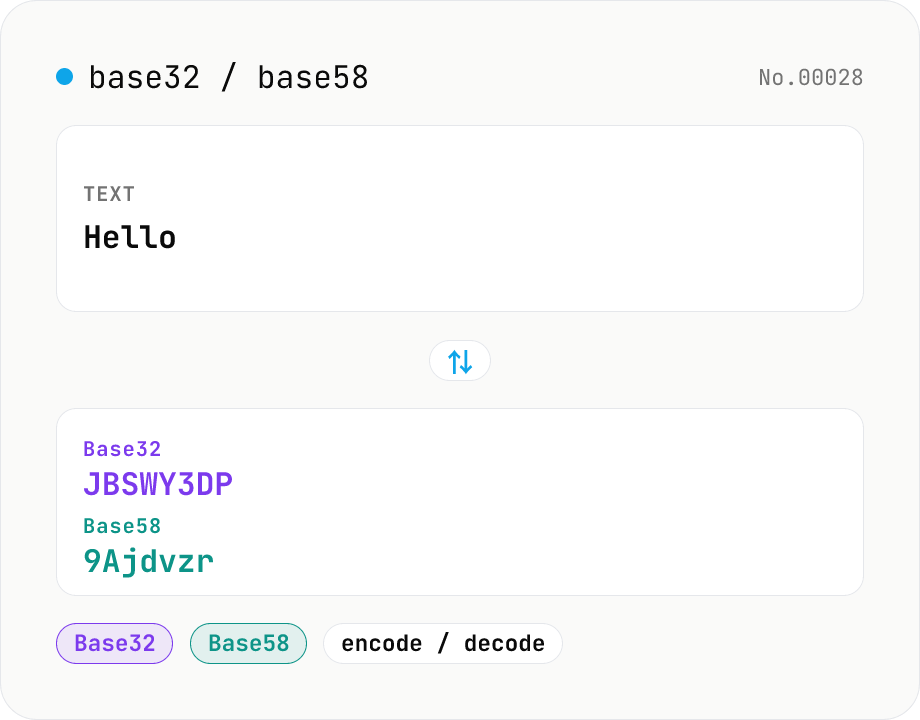
Base32 / Base58 encode & decode
Convert text to and from Base32 (RFC 4648 / TOTP 2FA secrets) and Base58 (Bitcoin addresses). Switch the variant (Base32 / Base58) and direction (encode / decode). UTF-8 byte based, so Japanese and emoji round-trip. Runs entirely in your browser.
developerconversionencodedecode
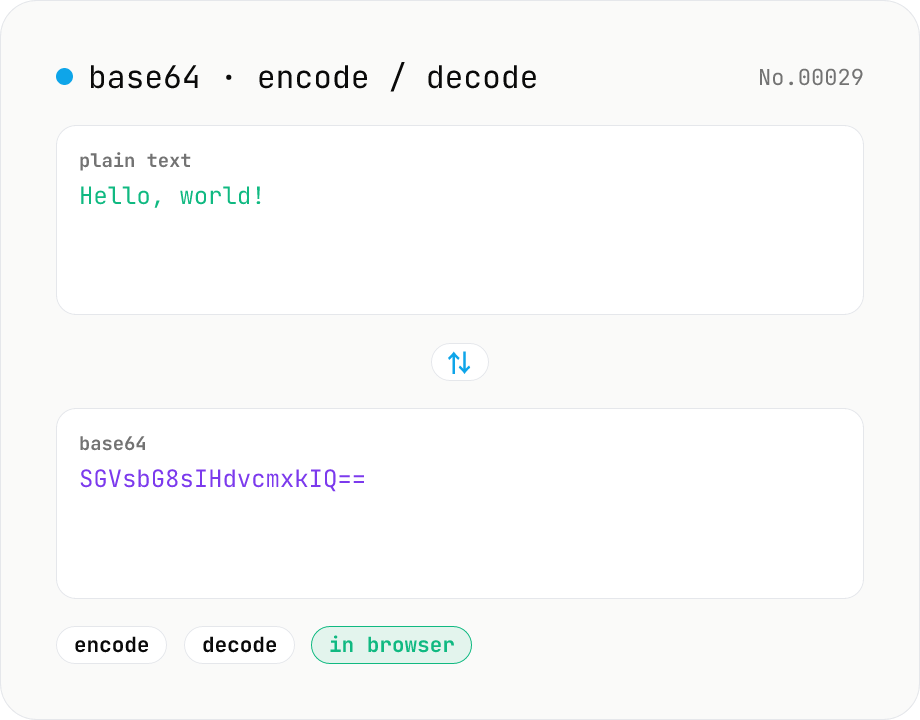
Base64 encode / decode — URL-safe variant supported
Convert between plain text and Base64. Encode with an optional URL-safe variant; decoding accepts URL-safe (- _, no padding) automatically. UTF-8 safe and runs entirely in your browser.
developerencodedecode
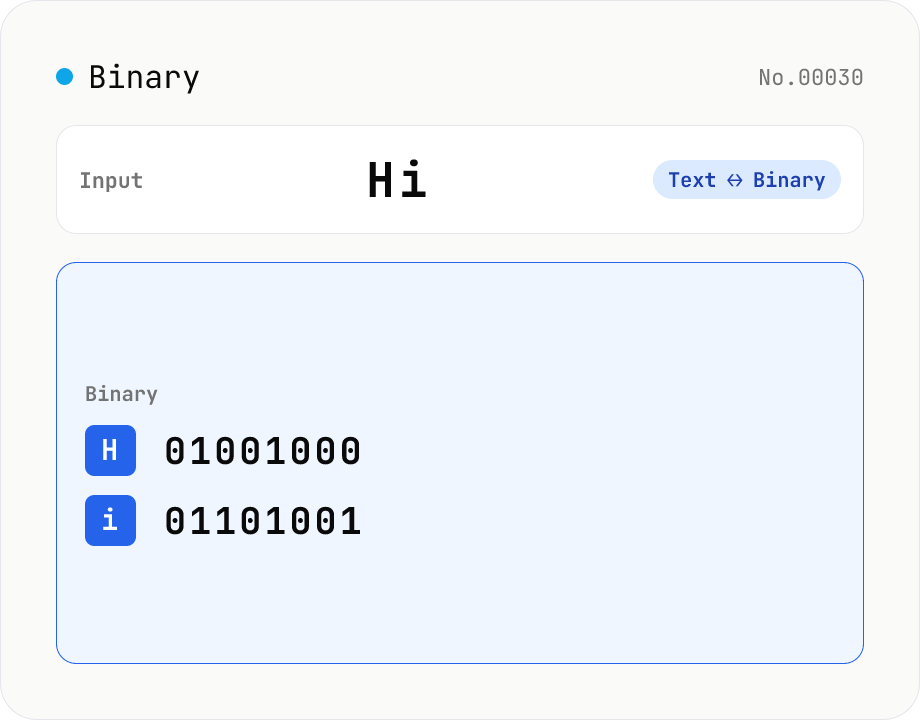
Text ⇄ Binary Converter
Convert between text and binary. Pick a mode (text → binary or binary → text). Text is encoded to UTF-8 bytes and each byte is shown as a zero-padded 8-bit binary number (emoji and non-Latin text convert correctly as multiple bytes). Toggle space separators via an option; on decode, spaces and newlines are ignored and the input is regrouped into 8-bit bytes. Everything runs in your browser — your input is never uploaded.
developerconversionencodedecode
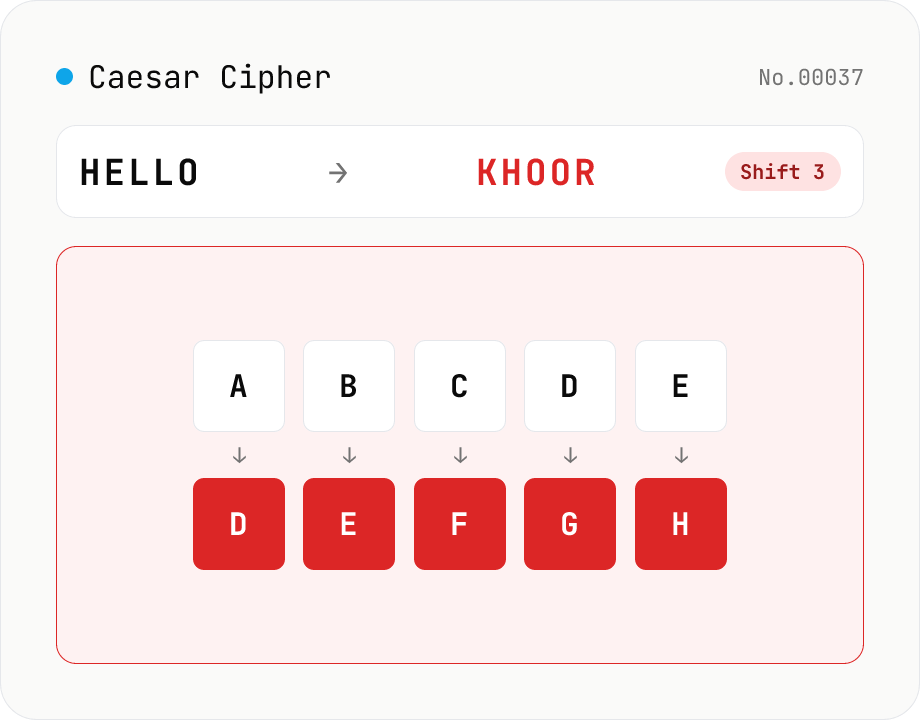
Caesar Cipher / ROT13
Encode and decode the Caesar cipher. Pick a mode (encrypt / decrypt) and set the shift (1–25) with a slider or number field. One tap sets ROT13 (shift 13). Only A-Z / a-z are rotated; digits, punctuation, spaces, and non-Latin text are left intact. In decrypt mode, a full 25-shift brute-force table is shown to crack ciphertext with an unknown shift. Everything runs in your browser — your input is never uploaded.
developerencodedecode
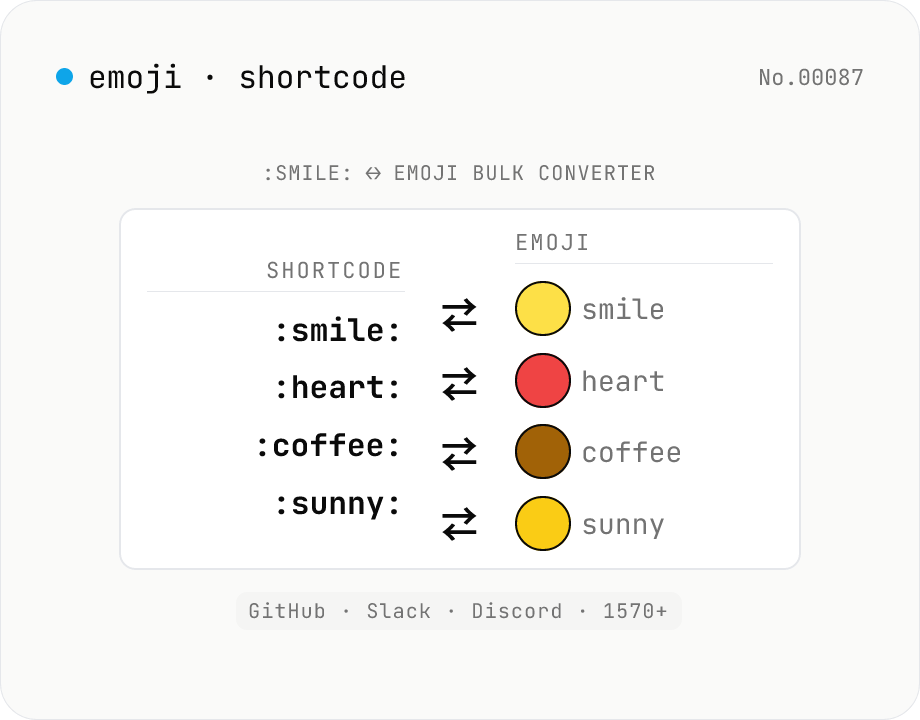
Emoji ↔ shortcode batch converter — :smile: ↔ 😄 (GitHub / Slack / Discord)
Batch convert between **GitHub-style shortcodes** (`:smile:` `:thumbsup:` `:heart:`…) and **emoji glyphs** (😄 👍 ❤️). Covers the canonical 1570+ shortcode set used by GitHub Markdown, Slack, Discord, Mastodon, and Mattermost. Use **shortcode → emoji** to preview PR descriptions / issue bodies / READMEs, or **emoji → shortcode** to flatten chat logs for environments that can't render emoji and to make diff reviews legible. Unknown `:names:` are handled three ways: keep verbatim, strip, or replace with `?`. Everything runs in your browser via node-emoji (MIT) — your text never leaves the device.
developerencodedecode
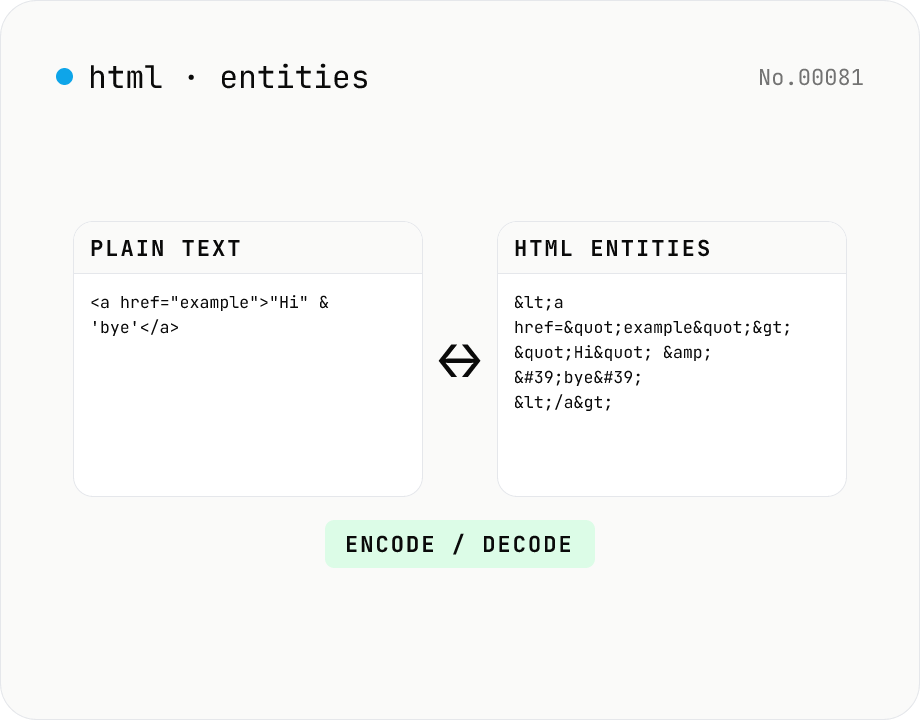
HTML entity encode / decode — &, <, > safely
Encode HTML special characters (< > & " ') into entities like &lt; and decode &amp; back into &. Toggle the direction in one click and optionally encode all non-ASCII characters as numeric references. Useful when pasting code samples into blogs, double-checking XSS escaping, or preparing HTML email bodies.
developerencodedecode
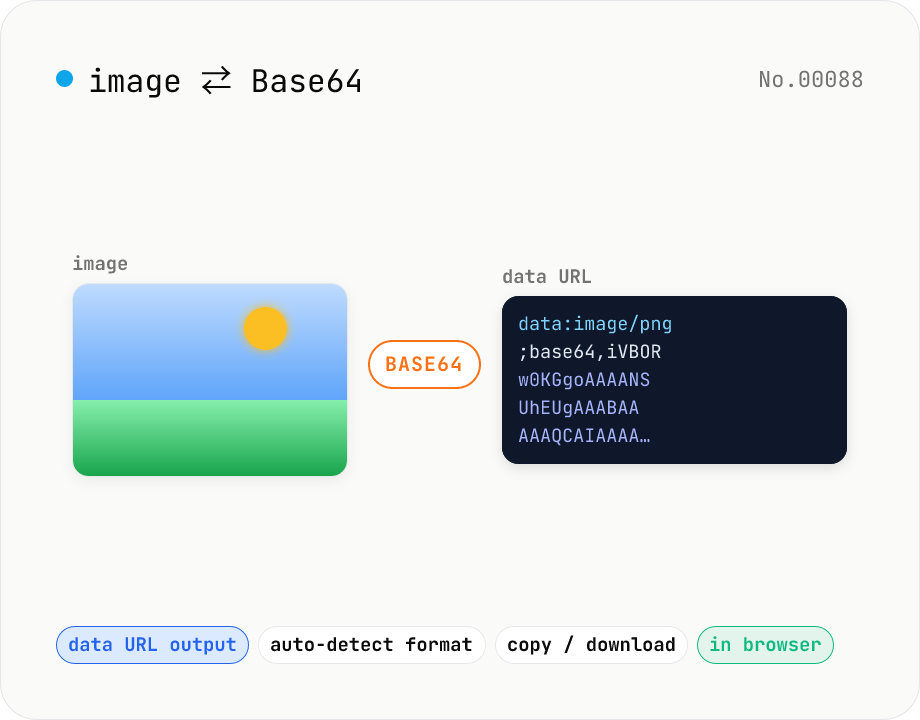
Image to Base64 Converter — Encode to Data URL, Decode Back
Free online image to Base64 encoder and decoder. Convert PNG, JPG, GIF, WebP, SVG to a Base64 string (data URL) for embedding in CSS, HTML, or JSON payloads, or paste a Base64 / data:image string to preview and download the image. Auto-detects format on decode. Your image never leaves the browser — everything runs locally.
imageencodedecodeconversion
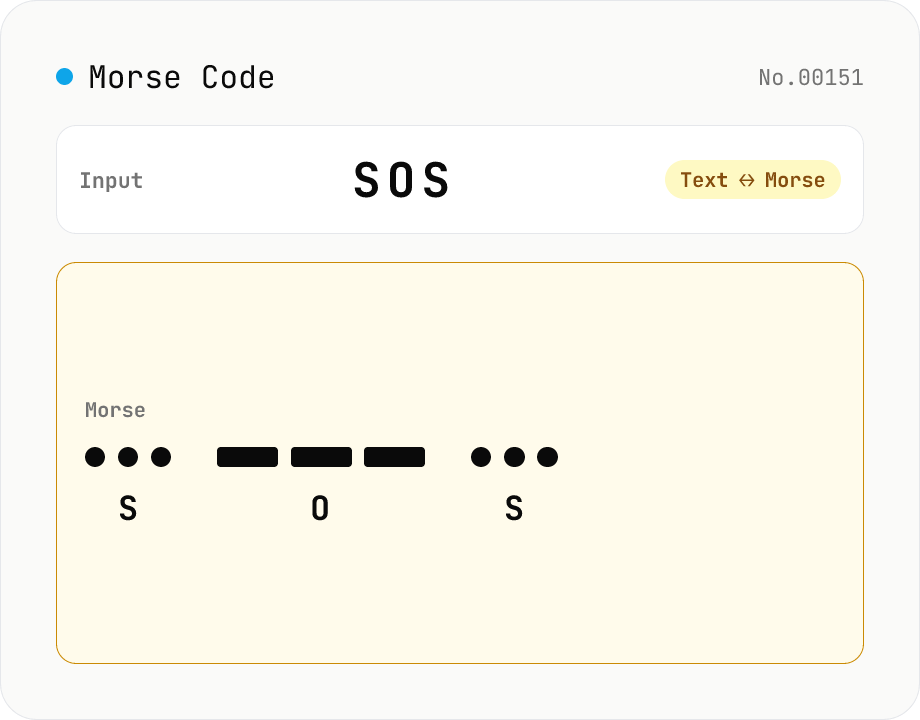
Morse Code Translator
Translate between text and Morse code. Pick a mode (text → Morse or Morse → text) and a character set: international (ITU: A-Z / 0-9 / punctuation) or Japanese wabun code (katakana with dakuten / handakuten / long vowel). Symbols are separated by a space and words by ' / '. Japanese voiced marks are split and recomposed via Unicode normalization (NFD/NFC). Everything runs in your browser — your text is never uploaded.
developerconversionencodedecode
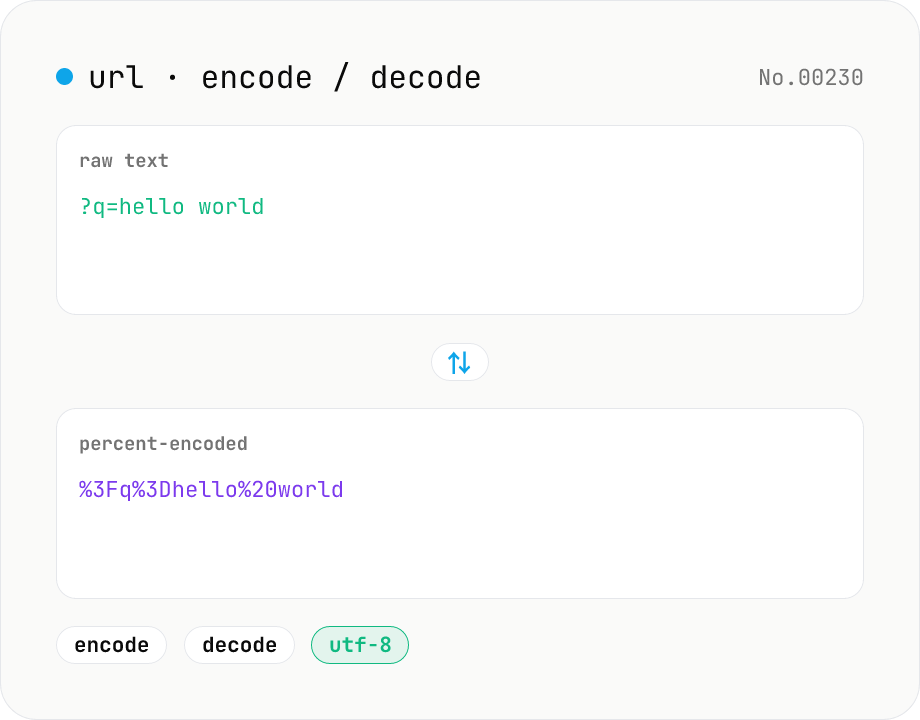
URL encode / decode — safe query strings
Convert between plain text and %XX percent-encoded URL strings. Toggle between encodeURIComponent / encodeURI (and their decode counterparts). UTF-8 based, runs entirely in your browser.
developerURLencodedecode
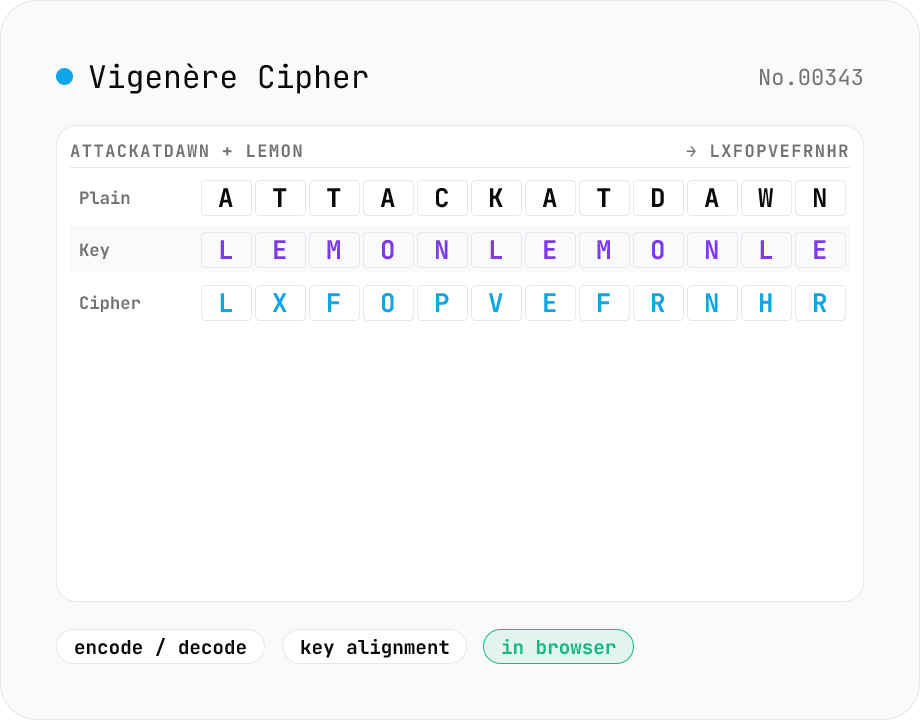
Vigenère Cipher encode / decode
Encode and decode with the Vigenère cipher, the classic polyalphabetic substitution from the 16th century — a repeating key (e.g. LEMON) shifts each plaintext letter. Mode toggle, preserve-case and pass-through-non-alpha options, plus an aligned plaintext / key / ciphertext view that's great for learning. Used heavily in CTFs and cryptography lessons as the next step up from Caesar.
developertextencodedecode